


Top 10 Benefits of Studying in a Residential School for Children
Choosing a residential school for your child is one of those decisions that stays with you. Unlike picking a day school close to home, this choice means your child will eat, sleep, study and grow up in a place that is not your home. That thought alone is enough to make most parents hesitate.
But here is what many parents across Tamil Nadu discover after their child joins a residential school. The hesitation fades. And what takes its place is the quiet confidence of watching your child become more capable, more grounded and more ready for the world than you expected at that age.
If you are weighing whether a residential school in Madurai or Tamil Nadu is the right choice for your child, this blog walks you through exactly what your child stands to gain. Not promises from a brochure. Real, practical benefits that show up in how children think, behave and carry themselves over time.
What Sets a Residential School Apart From a Day School
The difference is not just about facilities or distance from home. In a day school, a child spends roughly 6 to 7 hours in class and then returns home, where the school experience effectively ends. In a residential school, the environment itself becomes the teacher. The dining hall teaches patience and sharing. The dormitory teaches compromise and consideration. The sports field teaches how to lose gracefully and win humbly. Evening study hours teach self-discipline without a parent watching. Every part of the day, from morning assembly to lights out, is structured to build something in a child that goes well beyond academic knowledge. That total, immersive environment is what makes residential schooling genuinely different and for many children, genuinely transformative.
10 Real Benefits of a Residential School for Your Child
1. Children Learn to Manage Their Own Lives
At home, a lot happens in the background without children noticing. Parents wake them up, track their schedules, manage conflicts and solve small daily problems. In a residential school, children handle all of this themselves, gradually and with proper support. That self-management becomes second nature by the time they reach college or their first job.
2. Deep Focus on Academics Without Daily Interruptions
Think about how many small things interrupt study time at home. A phone call, a visitor, a sibling, a power cut. In a residential school, the study environment is consistent and supervised. Evenings are protected learning time. Teachers are accessible outside classroom hours. That sustained focus shows up clearly in academic results over time.
3. Time Management Becomes a Daily Habit
Residential students follow a structured timetable from morning to night. Meals, classes, activities, study time and rest all happen on schedule. Children do not need to be told when to study or when to sleep. They internalise the rhythm. This habit of managing time well is one of the most valuable things a residential school quietly instils.
4. Social Skills Grow Through Real Daily Living
Learning to share space, resolve disagreements, support a friend who is struggling and cooperate with people who are very different from you. These are not skills you can learn in a classroom. They come from living alongside other children day after day. Residential school students develop social intelligence that goes well beyond what peer interaction during school hours can build.
5. Stronger Bonds With Teachers and Mentors
In a day school, a teacher sees a student for 40 minutes and then moves on. In a residential school, teachers and houseparents are present across the full day. They notice when a child is quiet at dinner, struggling with a subject, or going through something difficult. That sustained mentoring relationship has a real impact on how children develop academically and emotionally.
6. Confidence Builds Faster in a Residential Setting
When children navigate challenges on their own, away from the safety net of home, their confidence grows. Handling a difficult roommate situation, speaking up during a house meeting, organising a team event. These small but real experiences add up. Residential school alumni consistently describe a level of self-assurance that they trace directly back to their school years.
7. Physical Health and Discipline Through Structured Activity
Residential schools build sport, physical activity and outdoor time into the daily schedule. Children are not sitting indoors for 10 hours. They are running, swimming, playing and moving. Regular physical activity at this age builds both physical health and mental resilience. It also channels energy in constructive directions, which teachers and parents both notice.
8. Exposure to Different People and Perspectives
A residential school draws students from different cities, communities and family backgrounds. Living and studying alongside such a diverse group teaches children to listen, to adapt and to see the world from more than one angle. This kind of exposure, which happens naturally in residential life, is something many day school children simply do not get until much later.
9. A Safe, Supervised Environment Around the Clock
Well-run residential schools have trained houseparents, on-campus medical staff, child safety protocols and counsellors available whenever students need them. Parents often find, after the initial adjustment period, that their anxiety about their child’s safety actually decreases. The structure and supervision a good residential school provides is more consistent than what most home environments can offer during a busy working week.
10. Readiness for the Real World Comes Earlier
College, a new city, a first job. All of these require a person who can handle themselves independently. Residential school students arrive at these milestones already prepared. They have lived away from home, managed relationships, handled pressure and built their own routines. That head start is something their peers who studied in day schools often notice immediately.
A Genuine Word of Caution
Residential school is not the right fit for every child at every age. Very young children or those going through a difficult period emotionally may need more time before making this transition. Most residential schools in Tamil Nadu advise starting from Grade 6 or Grade 7. Visit the campus, speak honestly with your child and talk to parents whose children are already there. Their experience will tell you more than any checklist.
Velammal Global School, Madurai: Residential Education With an IB Difference
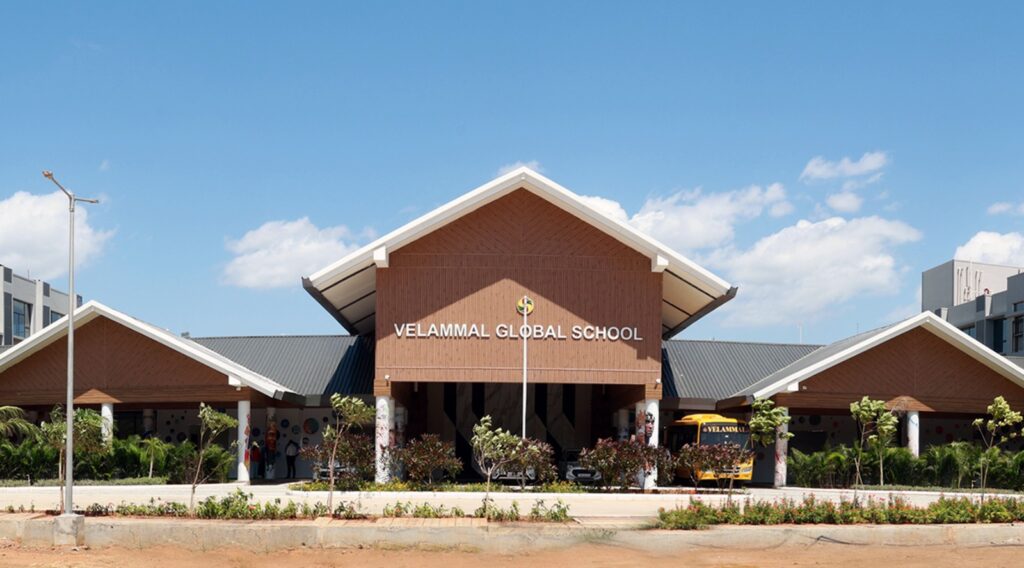
If you are looking for a residential school in Madurai that goes beyond the standard hostel-plus-classroom model, Velammal Global School is worth a visit. As an authorised IB World School, it combines the structured, caring residential environment described in this blog with the internationally recognised IB curriculum, an approach that prepares children for universities and careers far beyond Tamil Nadu. The residential life here is built around genuine student wellbeing, not just supervision. To experience this for yourself, schedule a campus visit or attend an open day. The admissions team is the right starting point for any questions specific to your child.